
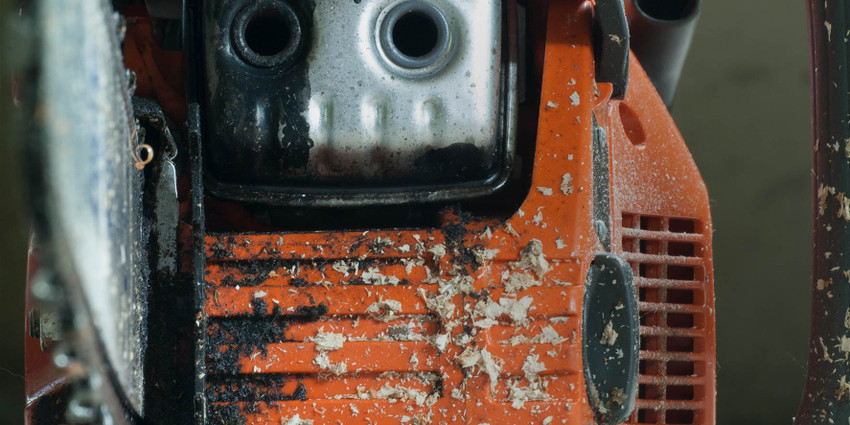
Gas vs Battery Rescue Saws
When the call requires cutting, crews need a saw they can rely on. From ventilation and forcible entry to breaching, overhaul, and technical rescue, choosing the right saw goes beyond cutting power.
Gas and battery-powered saws each offer different advantages when it comes to performance, runtime, deployment, and maintenance. The right choice depends on your department’s applications, the materials your crews encounter, and how the equipment will be used in the field.
Why Rescue Saws Still Matter On The Fireground
Despite advances in hydraulic rescue equipment and battery powered hand tools, rescue saws remain critical for many emergency operations. Firefighters still rely on them for roof ventilation, forcible entry, cutting metal security barriers, breaching concrete and masonry, and supporting vehicle or industrial rescue operations.
Rescue saws are designed to operate in difficult environments where dust, heat, water, vibration, gloves, and limited visibility are all factors. The right saw must balance cutting performance, reliability, portability, and operator safety.
The biggest difference between gas and battery powered rescue saws comes down to power delivery, operational duration, maintenance requirements, and deployment speed. Here’s what to consider when choosing between gas and battery-powered saws for your team
Gas Powered Rescue Saws
Gas-powered rescue saws remain a proven option for demanding fireground and rescue applications, particularly when crews need sustained cutting capability during extended incidents.
For departments responding to structural fires, heavy rescue incidents, natural disasters, and industrial emergencies, the ability to refuel and continue operating can be an important advantage.
Advantages of Gas-Powered Rescue Saws
High Cutting Power
Gas-powered saws continue to offer some of the highest cutting performance available for rescue operations. They maintain strong performance during long cuts through steel, reinforced concrete, roofing materials, masonry, and heavy metal barriers.
This matters in situations where cutting cannot stop due to battery limitations or overheating.
Long Runtime In Extended Incidents
As long as fuel is available, gas-powered rescue saws can continue operating. This remains important during large structure fires, extended technical rescue incidents, natural disasters, and industrial emergencies.
Departments operating in rural areas or responding to mutual aid incidents often value the ability to refuel quickly rather than wait for battery charging cycles.
Proven Performance In Harsh Conditions
Gas-powered saws have a long history in fire service operations. Many departments continue using them because operators trust how they perform in wet environments, cold weather, heavy smoke, and prolonged cutting operations.
The Husqvarna K970 Rescue incorporates several features specifically intended for emergency response:
• X Torq engine technology designed to improve fuel efficiency while reducing emissions
• SmartCarb filtration compensation to support performance as filters become dirty
• Magnesium blade guard for improved visibility in smoke and low light conditions
• Large starter handle and controls suitable for gloved operation
• Adjustable carry strap for rapid movement on scene
Limitations of Gas-Powered Rescue Saws
Engine Maintenance Requirements
Gas-powered rescue saws require ongoing maintenance. Fuel systems, spark plugs, air filters, belts, and carburetors all require regular inspection and servicing.
Departments that do not maintain their saws consistently may encounter hard starts or performance issues during critical operations.
Noise And Exhaust
Gas engines generate significant noise and exhaust emissions. This can become a concern during confined-space operations, interior work, training environments, or prolonged incidents in which multiple crews operate nearby.
Weight And Operator Fatigue
Gas rescue saws are often heavier than battery alternatives. During extended overhead ventilation or prolonged cutting operations, this additional weight can contribute to firefighter fatigue.
Battery Powered Rescue Saws
Battery powered rescue saws have become increasingly common across the fire service as lithium ion battery systems continue improving.
Battery powered rescue saws are particularly attractive for departments looking to reduce maintenance, simplify deployment, and improve portability.
| |
Advantages of Battery-Powered Rescue Saws
Instant Start Capability
Battery-powered rescue saws typically start immediately with the pull of a trigger or push of a button. There is no choke adjustment, fuel mixing, or pull starting procedure.
This can improve deployment speed during time-sensitive operations.
Reduced Maintenance
Battery systems eliminate many engine-related maintenance concerns. Departments do not need to manage fuel storage, carburetor cleaning, or spark plug replacement.
For departments with limited equipment maintenance resources, this can simplify long-term fleet management.
Lower Noise Levels
Battery-powered rescue saws operate significantly quieter than gas models. This improves communication between crews and reduces operator fatigue during training or prolonged operations.
Reduced noise may also improve situational awareness during technical rescue incidents.
Zero Direct Emissions
Battery powered saws do not generate engine exhaust. This makes them attractive for confined spaces, interior overhaul, utility response, transit systems, and industrial environments where ventilation may be limited.
Limitations Of Battery Powered Rescue Saws
Runtime Constraints
Although battery technology continues improving, runtime still remains one of the largest operational considerations.
Departments must manage charging cycles, spare battery availability, and battery temperature performance during cold weather operations.
Long duration cutting operations can quickly consume battery capacity.
Reduced Power Under Heavy Load
While modern battery saws perform extremely well for many applications, gas powered saws still typically outperform them during prolonged heavy cutting through dense concrete or thick steel.
For departments routinely performing aggressive ventilation or heavy rescue cutting, this difference still matters.
Battery Management Logistics
Battery systems require charging infrastructure, spare batteries, and organized rotation procedures.
Without proper battery management, departments may encounter operational limitations during large scale incidents.
Comparing Gas Vs. Battery Rescue Saws
| Feature | Gas-Powered Saws | Battery-Powered Saws |
|---|---|---|
| Startup Speed | Requires pull start | Instant start |
| Runtime | Continuous with fuel | Limited by battery capacity |
| Maintenance | Higher | Lower |
| Noise | High | Lower |
| Emissions | Yes | None during operation |
| Weight | Typically heavier | Often lighter |
| Heavy Cutting Performance | Excellent | Good to very good |
| Cold Weather Concerns | Fuel and engine related | Battery performance related |
| Training Complexity | Higher | Lower |
| Fleet Integration | Fuel management | Battery platform management |
Where Gas-Powered Rescue Saws Still Lead
Gas-powered rescue saws continue to dominate applications involving:
- Extended structure fire operations
- Large scale disaster response
- Heavy concrete cutting
- Rural operations with limited charging infrastructure
- Long duration ventilation assignments
- Industrial rescue involving dense materials
For many departments, the Husqvarna K970 Rescue remains a trusted primary saw because of its durability and cutting performance.
Where Battery Powered Rescue Saws Excel
Battery-powered rescue saws are increasingly popular for:
- Rapid deployment operations
- Interior overhaul work
- Transit and utility response
- Training environments
- Confined space rescue
- Departments standardizing cordless tool systems
- Quick access forcible entry operations
Many departments now use battery-powered rescue saws as secondary or support tools while maintaining gas-powered saws for heavy operations.
PPE Requirements For Rescue Saw Operations
Regardless of power platform, rescue saw operations require proper PPE and safe operating procedures.
Recommended PPE typically includes:
- NFPA compliant structural firefighting PPE or technical rescue PPE depending on the operation
- Eye and face protection
- Hearing protection
- Cut resistant gloves suitable for tool operation
- Respiratory protection where dust or smoke hazards exist
- Steel toe or technical rescue footwear
Operators should also ensure proper blade selection for the material being cut.
Should Departments Replace Gas Rescue Saws?
For many departments, the answer is no.
Battery powered rescue saws continue improving rapidly and are becoming highly effective for many operational tasks. However, gas powered rescue saws still provide advantages in runtime, sustained cutting performance, and heavy duty fireground operations.
The most effective solution for many fire and rescue agencies is a mixed platform approach.
Battery powered tools can improve rapid deployment, reduce maintenance demands, and support interior or confined operations. Gas powered rescue saws can remain available for prolonged ventilation, heavy cutting, and demanding rescue environments.
Instead of asking which platform is universally better, departments should evaluate:
- Typical call types
- Incident duration
- Maintenance capabilities
- Battery infrastructure
- Staffing levels
- Mutual aid considerations
- Environmental conditions
- Training requirements
Final Thoughts
Gas-powered and battery-powered rescue saws both have a place in modern emergency response.Gas-powered systems like the Husqvarna K970 Rescue continue to deliver proven cutting performance for demanding fireground operations. Battery-powered systems from Milwaukee offer fast deployment, lower maintenance, quieter operation, and increasing capability for daily rescue tasks.
As battery technology continues advancing, more departments will likely expand cordless rescue tool programs. However, for many fire and rescue teams, the future is not necessarily gas versus battery. It is understanding how both platforms can work together to improve operational readiness.